Ryokan guide
What is a ryokan?
A ryokan is a traditional Japanese inn where the room, the bath and the meals are one arranged experience rather than three separate purchases. Knowing that explains almost everything else.
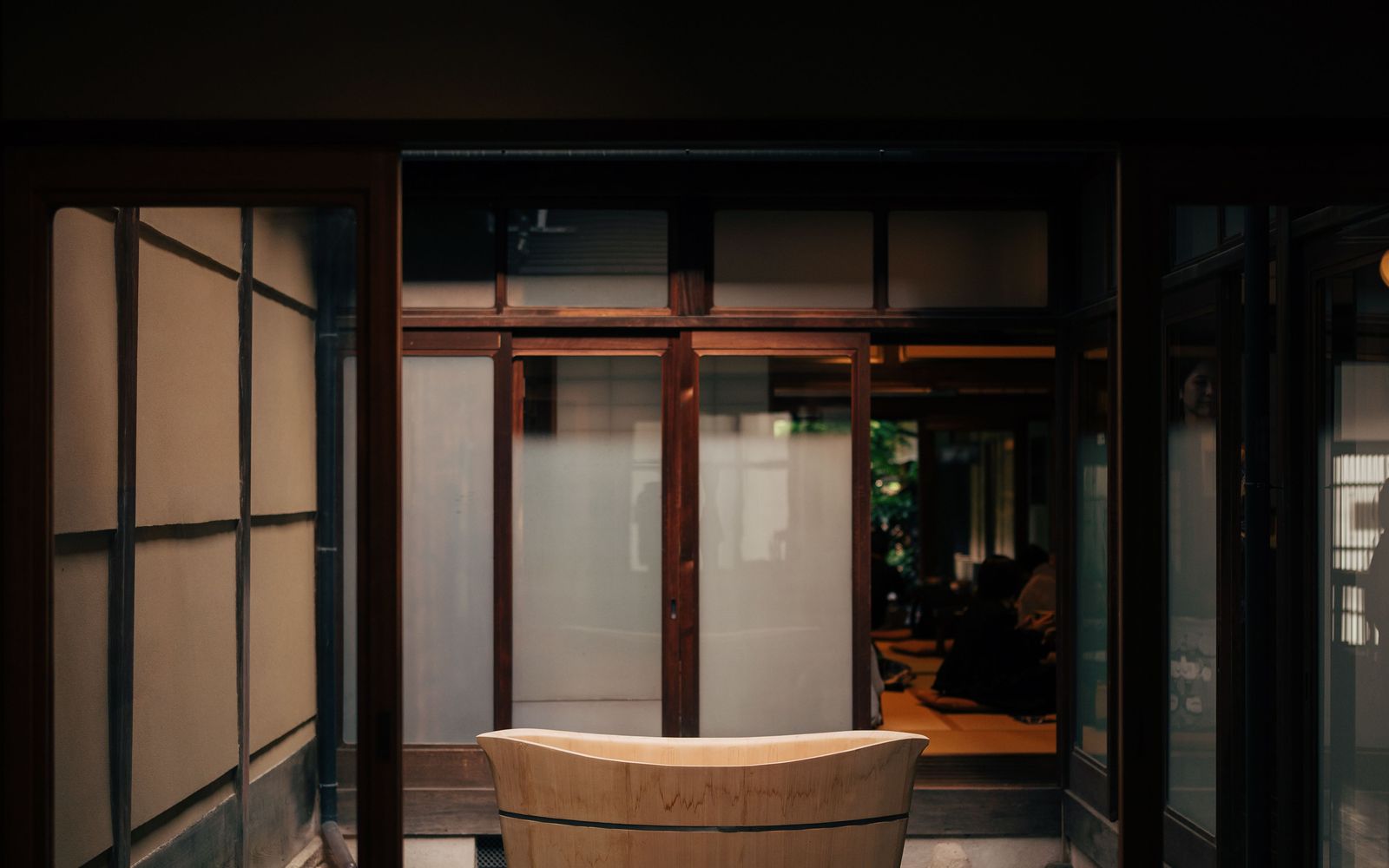
Photo: Pexels
What the rate includes
Ryokan rates are usually quoted per person, not per room, and most include dinner and breakfast. A figure that looks high next to a hotel room often covers two substantial meals for each guest, so the comparison is not like for like.
The common plan is written as one night with two meals. Some inns offer breakfast only, and city inns frequently serve no dinner at all. Check which plan a rate refers to before comparing two properties.
Service is included and tipping is not expected anywhere in Japan. Where a service charge or bathing tax applies, it appears on the bill rather than being handed over in cash.
How an evening runs
Check-in is typically between three and six in the afternoon, and that window matters more than at a hotel, because the kitchen works to a fixed dinner hour. Arriving at nine will not work at a small inn.
The usual order is: arrive, take tea, change into the yukata provided, bathe, eat dinner at the appointed time, and come back to a room where the futon has been laid out while you were away. Many guests bathe again before bed and once more after waking. Breakfast is early, and check-out is often ten or eleven.
Inside the room
Floors are tatami, so shoes come off at the entrance of the building and slippers come off at the door of the room. There is generally a low table with floor cushions, an alcove holding a scroll or a seasonal arrangement, and a cupboard where the bedding is stored during the day.
The yukata is a cotton robe for use anywhere inside the inn, and in some hot spring towns outside it as well. Wrap the left side over the right. Older buildings have thin walls and steep stairs, which is part of the character and worth knowing in advance if stairs are difficult.
Kinds of ryokan
The word covers a wide range. An onsen ryokan is built around a hot spring source and is the classic image: countryside, open-air bath, long dinner. A city ryokan, most often found in Kyoto, is a wooden townhouse where the building and the neighbourhood are the appeal and there may be no hot spring at all.
At the smaller end, a minshuku is a family-run guesthouse with simpler rooms and home cooking, and a shukubo is temple lodging with vegetarian meals and an early morning service. Both are worth trying, but neither promises the service of a ryokan.
Ryokan, hotel, minshuku
| Ryokan | Hotel | Minshuku | |
|---|---|---|---|
| Priced by | Person | Room | Person |
| Meals | Usually dinner and breakfast | Breakfast at most | Often both, simpler |
| Bathing | Shared or private baths, often hot spring | In-room bathroom | Shared bathroom |
| Timing | Fixed dinner hour, early check-out | Flexible | Fixed meal times |
| Bedding | Futon laid out for you | Bed | Futon, often laid out yourself |
Who it suits
A ryokan rewards travellers willing to hand over the evening. You eat what the kitchen has prepared, at the hour it is ready, in a building that asks you to slow down. One or two nights placed deliberately in an itinerary tend to work better than a week of them.
It suits people less well if you need late dinners, a flexible schedule, a private bathroom in every case, or a room you can leave your shoes on in. None of those are failings of the inn; they are simply what the format is not.
Common questions
- Do I have to bathe naked?
- In a shared bath, yes, and the baths are separated by sex. Inns with private or reservable baths are the alternative, and we mark those in our listings.
- What if I have tattoos?
- Policies vary between individual inns, even within one town. A room with its own bath removes the question entirely. See the etiquette guide for how to ask.
- Can I skip dinner?
- Sometimes, by booking a breakfast-only or room-only plan where one is offered. Cancelling a dinner after booking is usually not possible, since the food is prepared for the day's guests.
- Is English spoken?
- At larger inns and in tourist areas, often yes. At small family-run places, sometimes not, though written translation on a phone handles most of it. We note English support on each listing.
- Can children stay?
- Many inns welcome them and charge a reduced rate by age; some quiet inns set a minimum age. This is worth confirming before booking rather than on arrival.
Ready to look at inns?
Start with the regions we cover, or see everything currently featured on the site.