The room changes through the day
You arrive to a low table and floor cushions, take dinner, and come back to find the futon laid out on the tatami. One room, two purposes, turned over while you bathe.
Japan Best Ryokan may earn a commission when you book through links on this site, at no additional cost to you.
Independent guide, written in English
Handpicked traditional inns, private onsen retreats, and unforgettable Japanese hospitality.
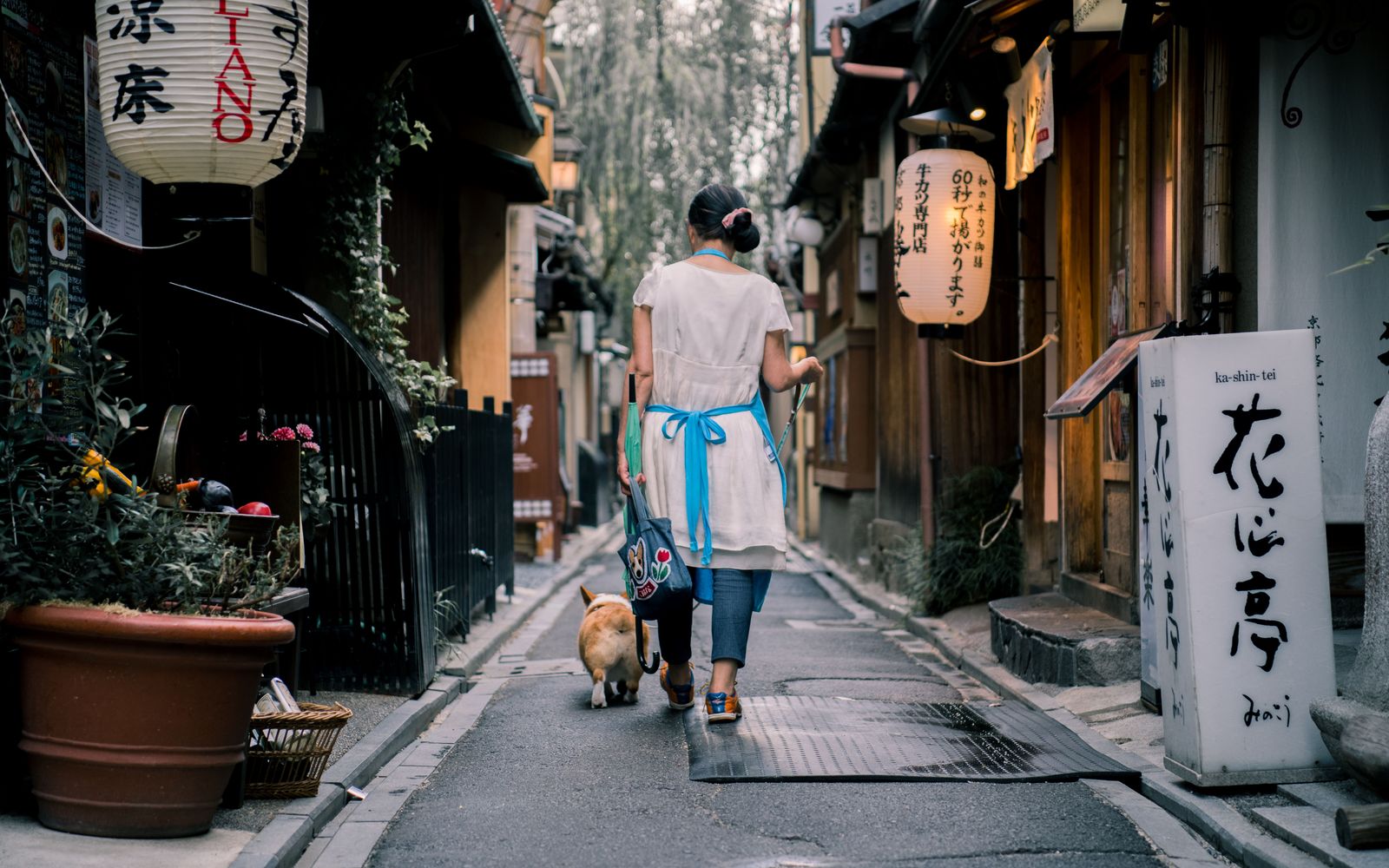
Photo: Pexels
No inn can pay for a place on this site. Featured ryokans are selected by our editorial team.
Each listing explains what is included, what is expected of you, and what to bring.
When a booking link earns us a commission, we say so at the top of every page.
We are listing Kyoto first. These three are the inns in and around the city with real hot spring water, which is rarer here than most visitors expect.
'/%3E%3Ccircle cx='618' cy='120' r='52' fill='%23F4F0E4' opacity='.45'/%3E%3C/svg%3E)
Arashiyama Onsen
Thirteen rooms at the south end of Togetsukyo bridge, with the only viewing open-air bath in Arashiyama, rooms that have their own hot spring bath, and kaiseki served in the room.
'/%3E%3Ccircle cx='618' cy='120' r='52' fill='%23F4F0E4' opacity='.45'/%3E%3C/svg%3E)
Kurama
Five rooms in the cedar hills half an hour north of the city, on naturally welling sulphur water. Day visitors until 21:00, after which the baths belong to guests. Tattoos are permitted.
'/%3E%3Ccircle cx='618' cy='120' r='52' fill='%23F4F0E4' opacity='.45'/%3E%3C/svg%3E)
Arashiyama Onsen
A riverside hotel rather than a traditional inn, but 17 of its 39 rooms have their own natural hot spring bath, and two reservable private open-air baths sit in the garden.
Rates are the lowest listed per person on the date shown and change constantly; meals and tax may or may not be included. We do not publish guest ratings until they come from a booking partner. We may earn a commission on bookings once those partnerships are in place.
Hot spring country changes completely from one region to the next. Start where your trip already takes you.
Townhouse inns in the old capital, where the building and the neighbourhood are as much the stay as the bath.
Six onsen districts inside one caldera, around ninety minutes from Shinjuku by direct express.
Coastal inns along a warm peninsula, with sea-facing baths and seafood at dinner.
Craft and garden culture in the city, with the four Kaga hot spring towns half an hour further on.
A ryokan is not a hotel with tatami floors. The room, the bath and the meals are one experience, arranged around the rhythm of an evening.
You arrive to a low table and floor cushions, take dinner, and come back to find the futon laid out on the tatami. One room, two purposes, turned over while you bathe.
You wash and rinse at the low taps first, then soak in the onsen to warm through. Many guests bathe again before bed, and once more at dawn.
A kaiseki dinner follows the season and the local catch, course by course, at a set hour. For many travellers it is the reason to make the journey.
Omotenashi means staff anticipate rather than ask: slippers turned to face you, tea poured on arrival, the bath left free when you want it.
Three moments that surprise most first-time guests. None of this needs to be learned in advance, but knowing it helps.
Rates are usually quoted per person and include dinner and breakfast. Tell the inn about allergies and dietary needs when you book, not on arrival.
Check-in is typically between 3pm and 6pm, leaving time to bathe before dinner is served at a fixed hour. Shoes come off at the entrance.
Shower seated at the taps, rinse thoroughly, and keep your small towel out of the water. Bathing is nude and separated by sex; some inns offer private bathing times.
Read the full ryokan guide, including tattoo policies and travelling with children
Notes from our editors on where to go next, and when.
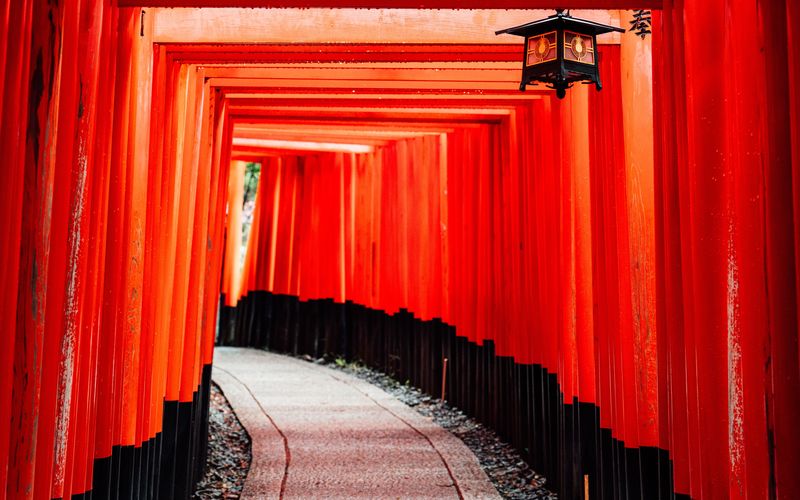
Only five inns in Arashiyama draw on the spring, one is closed, and the best water is half an hour north.
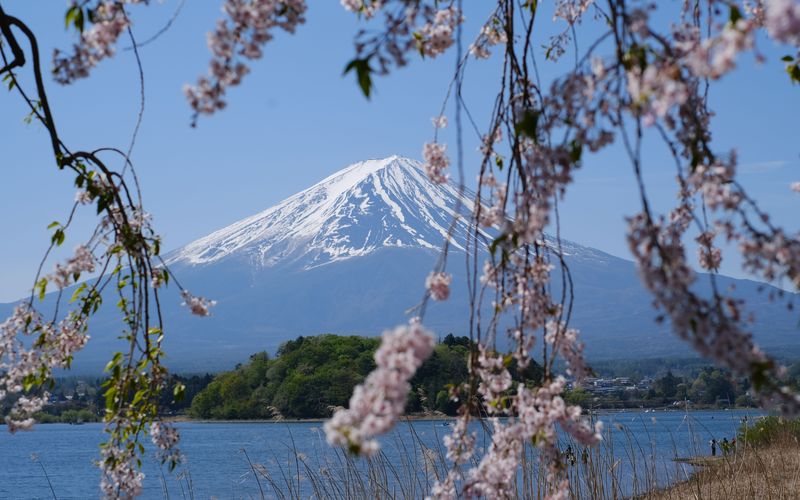
One sells you a building and a neighbourhood. The other sells you water and a fixed evening.
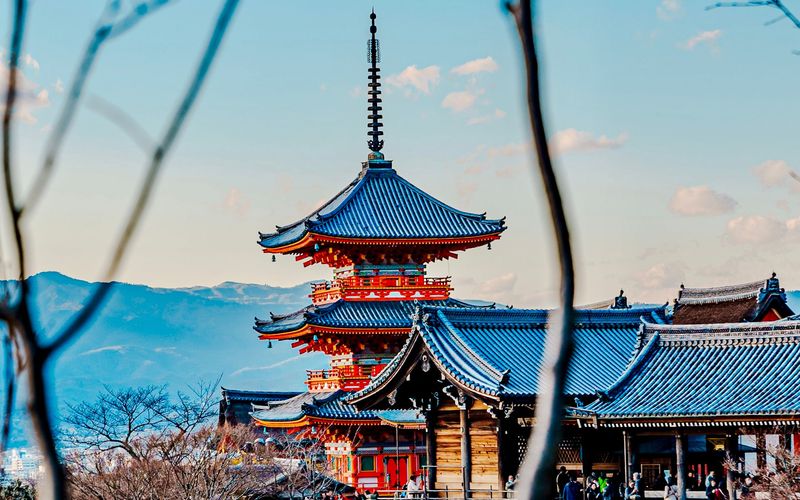
Notes on what the booking pages mean and which region suits which trip.
Tell us the region and the kind of stay you have in mind, and see the inns we are featuring now.