
Journal
Send your suitcase ahead: luggage forwarding in Japan
Japan moves luggage between hotels, inns and airports overnight, for a few thousand yen. Locals use it constantly. Visitors drag cases up mountain railways instead.
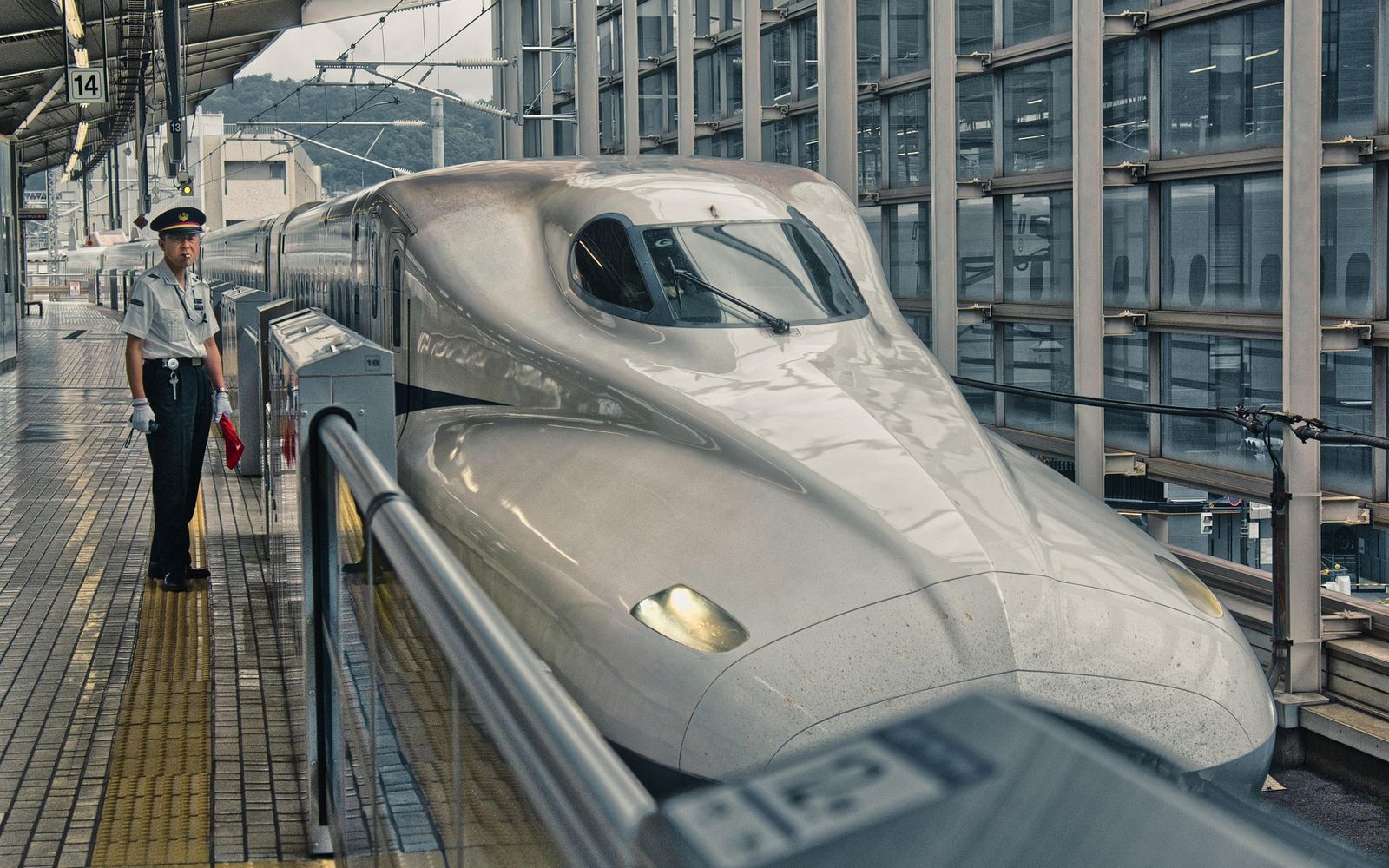
Why this matters more than you think
Japanese cities are built around trains, and trains are built around people who are not carrying much. Stations have stairs, transfers are timed in minutes, and the overhead racks were not designed for a 75-litre case.
Country inns are worse. A ryokan is often up a hill, at the end of a lane, or reached by a small mountain railway with a gravel platform. This is the single practical reason so many Japan trips feel harder than they should.
The fix is a domestic courier network that moves luggage between hotels, inns, airports and convenience stores, overnight, for about the price of two coffees and a sandwich. Locals use it constantly. Visitors mostly do not know it exists.
How to send a bag
- Ask at your hotel's front desk, or take the bag to a convenience store or an airport counter.
- Fill in a form with the destination name, address and phone number. Hotel staff will usually write it for you if you show them the booking.
- Pay, take the receipt with the tracking number, and walk away with a day bag.
Write the arrival date on the form. You are not just sending a bag, you are choosing the day it appears.
The word to use is takkyubin, or ask for "luggage forwarding". At an airport, look for the counters near arrivals with stacked suitcases behind them.
Cost and timing
A large suitcase between two cities on the main island typically costs a few thousand yen and arrives the next day. Same-day delivery exists within a city; remote areas and the far north or south can take two days.
The rule of thumb: send it the day before you need it, and never plan for a bag to arrive on the same day you check in at a rural inn.
Sending to and from a ryokan
Inns receive luggage all the time and will hold it until you arrive. Tell them it is coming, especially at a small inn where the front desk is one person.
Sending onward is just as easy: hand the bag to reception before check-out with the next address, and it will be waiting when you get there. This is how you spend two nights in the mountains with a small rucksack.
One warning: inns are not always open the hours a courier expects. If your next stop is another rural inn, ask both properties before booking the delivery.
Same-day options
If you only need to lose the bag for a few hours, use a coin locker. Large lockers at major stations fit a suitcase and take IC cards; they fill up by mid-morning at the busiest stations.
Most hotels will also hold luggage before check-in and after check-out at no charge, and many ryokan will do the same if you arrive before the check-in window.
Questions people actually ask
- Is it safe?
- Yes. Loss is rare enough to be newsworthy, and everything is tracked. Keep valuables, passport and medication with you regardless.
- Can I send from the airport on arrival?
- Yes, and it is a good idea if your first night is somewhere awkward to reach. See our Narita guide.
- Can I send to the airport before my flight?
- Yes. Allow at least two days for that direction, and confirm the counter's opening hours against your departure time.
- What about skis, golf clubs or a bicycle?
- All standard services. There are size and weight limits, so ask before you assume.
- Do I need to read Japanese?
- No. Hotel staff complete the form, and convenience store staff are used to helping. Have the destination written down, ideally in Japanese, which any hotel can print for you.
Travelling light to the inn?
Pick the region first; the logistics are easier than they look.