
Journal
When to visit Japan for a ryokan stay
Four periods a year, the entire country travels at once and small inns fill months ahead. Knowing which they are, and which season suits the format, is most of the planning.
The dates to avoid, and why
Japan has four periods when the whole country travels at once. Rates rise, small inns fill months out, and trains sell their reserved seats.
| Period | When | Effect on inns |
|---|---|---|
| New Year | Roughly 29 December to 3 January | The most expensive nights of the year; many inns require multi-night stays |
| Golden Week | Late April into the first week of May | Booked out months ahead, especially near cities |
| Obon | Around mid-August | Busy and hot; family travel peaks |
| Autumn foliage | Roughly mid-November in Kyoto | The hardest period for small Kyoto inns |
Cherry blossom is the fifth, and it moves: late March to early April in Tokyo and Kyoto most years, later at altitude and in the north. It cannot be booked around precisely, which is part of why it is expensive.
Season by season
Spring
Mild, green, and crowded at the edges. Blossom weeks aside, late spring is one of the best times to be at an inn: the gardens are working, the mountains are still cool, and the food changes weekly.
Summer
Hot and humid in the cities to a degree that surprises people. This is the season to go up: Hakone, the Japan Alps, Tohoku. Rain arrives in June, and August brings the risk of typhoons in the south and west.
Autumn
The best weather of the year, and the reason many people book. Foliage sweeps south from Hokkaido in September to Kyoto in late November. Midweek nights outside the peak fortnight are still obtainable.
Winter
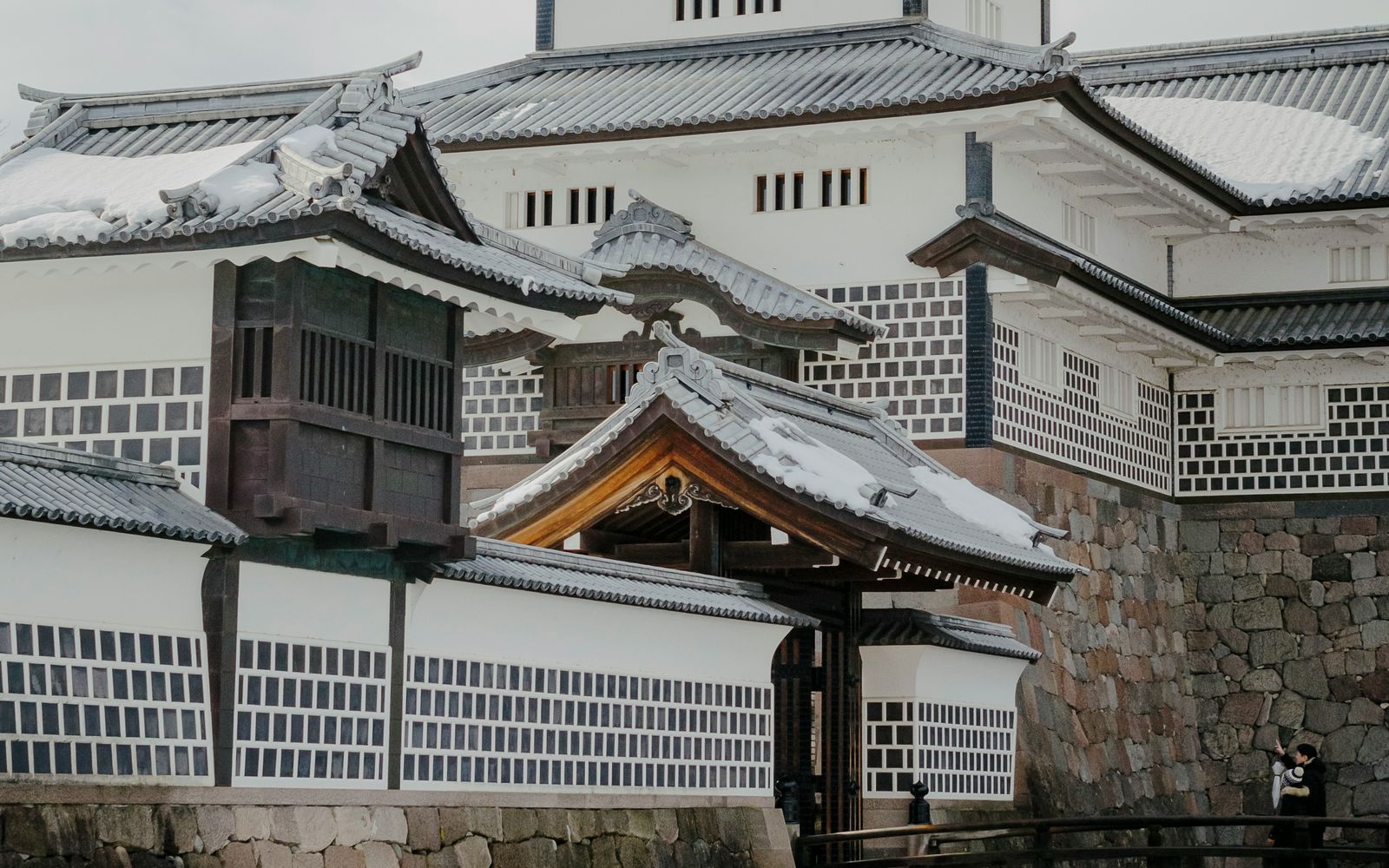
The underrated season for a ryokan trip, and the one the format was built for. Cold air, hot water, snow on the roof, crab on the table in the north and west, and the clearest views of Mount Fuji. Rates outside New Year are the lowest of the year.
If your priority is the bath rather than the sightseeing, book January or February. It is the cheapest and quietest time, and a snow-lit open-air bath is the single best version of this experience.
How far ahead to book
- Six months or more: New Year, Golden Week, blossom weeks, and any small Kyoto inn in November.
- Two to three months: autumn weekends, Obon, and popular inns anywhere.
- A few weeks: ordinary midweek nights outside those windows.
- Days: possible in winter and in the wet weeks of June, and occasionally excellent value.
Remember that a ryokan sells per person with meals, so a small inn has far fewer rooms to sell than a hotel of the same footprint. Twelve rooms go quickly.
Where the value is
Three levers move the price more than the calendar does: midweek instead of weekend, two people instead of one, and a room without its own bath instead of one with.
Moving a stay from Saturday to Tuesday, in the same inn, in the same week, is often the largest single saving available to you.
Questions people actually ask
- When is cherry blossom exactly?
- Nobody knows until a few weeks before. Forecasts appear in Japanese from January. If your trip depends on it, build in flexibility or accept the risk.
- Is the rainy season worth avoiding?
- Not necessarily. June rain is intermittent, gardens look extraordinary wet, and it is one of the quietest and cheapest periods of the year.
- What about typhoons?
- Mostly late summer into September, mostly in the south and west. Trains stop when one lands. Travel insurance and a flexible day either side matter more than avoiding the season.
- Which season for a first ryokan stay?
- Late autumn or winter. The format is built around a cold evening, a hot bath and a long dinner, and it makes more sense when the weather is on its side.
Know your dates?
Then the only question left is which region, and which inn.