Journal
Kyoto or Hakone: Which Ryokan Trip Should You Take?
Most people with one ryokan night to spend are choosing between these two. They are not competing versions of the same thing — they are different products, and picking the wrong one is the most common way this trip disappoints.
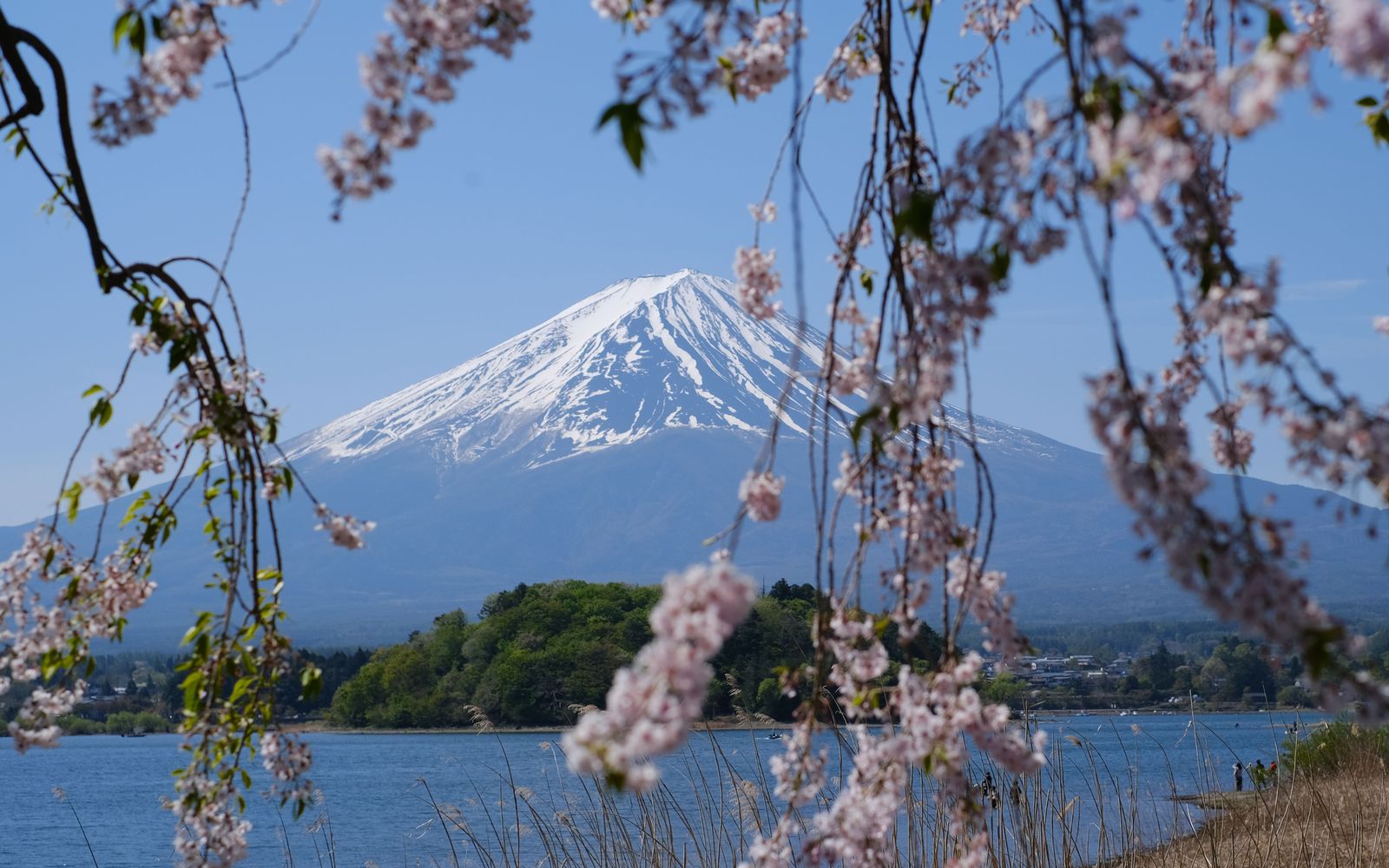
Photo: Pexels
The one difference that decides it
A Kyoto inn sells you a building and a neighbourhood. A wooden townhouse, a courtyard garden, lanes you can walk at six in the morning before anyone else is out. The bath is a bath. Dinner is frequently not included, because the city is full of restaurants and the inn has no reason to compete with them.
A Hakone inn sells you water and an evening. The rate covers dinner and breakfast, the kitchen cooks for the guests booked that night, and the whole stay is arranged around bathing and eating at set hours. You are not going out. That is the point.
If you book Kyoto expecting hot spring water, you will be disappointed — the city has almost none, as we set out in this piece on Kyoto's five onsen inns. If you book Hakone expecting to wander a city in the evening, there is nowhere to wander to.
Side by side
| Kyoto | Hakone | |
|---|---|---|
| What the inn is | Townhouse or garden inn in a city | Hot spring inn in a mountain caldera |
| Hot spring | Rare. Arashiyama, Kurama and Ohara only | Everywhere. Around twenty separate sources |
| Meals | Often breakfast only; you eat out | Dinner and breakfast, at fixed hours |
| Evening | Yours. Restaurants, bars, lit temples | The inn's. Bath, dinner, bath again |
| From Tokyo | About 2 hr 15 by shinkansen | About 85 min by direct express from Shinjuku |
| Nights needed | Two or three, to justify the journey | One works |
| Hardest season | Autumn foliage and cherry blossom | Autumn foliage weekends |
| With small children | Easier. Flexible meals, city amenities | Harder. Fixed dinner, shared bathing |
What you are paying for
Comparing headline rates between the two is misleading, and this trips up more travellers than anything else on this page.
Japanese inns quote per person, per night. A Hakone rate usually includes a multi-course dinner and breakfast for each guest. A Kyoto rate often includes a room and nothing else. Two nominally similar numbers can mean completely different things, and the Kyoto stay then costs more once you have eaten twice.
Before comparing any two inns, check the same three things: per person or per room, how many meals are included, and whether tax and any bathing levy are inside the number. Our booking guide covers the Japanese terms these appear under.
Travel time, honestly counted
Hakone is closer to Tokyo than most visitors assume: the direct limited express from Shinjuku reaches Hakone-Yumoto in about eighty-five minutes, and you can leave Tokyo after a late morning and still bathe before dinner. That is why a single night works there.
Kyoto is about two and a quarter hours from Tokyo by shinkansen, but the real cost is at the other end. Nobody goes to Kyoto for one night, so the inn is part of a two or three night stay that has to be planned around temples, transport and meal bookings. Budget the journey and the itinerary, not just the train.
If you are already ending your trip in Kansai, this flips: Kyoto costs you nothing extra, and Hakone becomes the detour.
Season changes the answer
In November, Kyoto is the hardest place in Japan to book a small inn, and the city is at its most crowded. Hakone is busy at weekends but manageable midweek.
In deep winter, the balance reverses. Hakone is cold, clear and quiet, with the best odds of seeing Mount Fuji, and a hot bath in cold air is the entire argument for the format. Kyoto in January is quiet and good value, but you are outdoors all day in the cold.
In summer, Kyoto is genuinely uncomfortable — hot, humid, and demanding a lot of walking. Hakone sits higher and cooler. If your dates are fixed to July or August, that alone is close to a decision.
Choose in thirty seconds
- One free night, based in Tokyo → Hakone. It is the only one of the two that works as a single night.
- You want the bath to be the memory → Hakone.
- You want the building and the city to be the memory → Kyoto.
- Travelling with young children → Kyoto, or a Hakone inn with a room bath and a flexible meal plan.
- Travelling in July or August → Hakone.
- Travelling in November → Hakone, unless you booked Kyoto months ago.
- You have tattoos → either, but book a room with its own bath. See the etiquette guide.
Or do both, in the right order
Most two-week Japan itineraries run Tokyo, then Kyoto, then back. The efficient version puts the ryokan night on the return leg: Kyoto for two nights in a townhouse inn, then break the journey back to Tokyo with one night in Hakone. The shinkansen stops at Odawara, twenty minutes from Hakone-Yumoto, so the detour costs you an afternoon rather than a day.
Doing it the other way round — Hakone first, Kyoto second — means arriving at your hot spring night jet-lagged in week one, which is a waste of the one evening designed for slowing down.
Questions people actually ask
- Can I day-trip Hakone from Tokyo instead of staying?
- You can, and the loop of railway, ropeway and lake boat works as a day out. But day trips give you the sightseeing and not the ryokan, and the ryokan is the reason to go.
- Is Hakone worth it if I cannot see Mount Fuji?
- Yes, though manage expectations: the mountain hides behind cloud for much of the year, and winter gives the best odds. The water does not care about the weather.
- I only have one night and I am already in Kyoto. What then?
- Stay in the city and give up on the hot spring, or go to Arashiyama or Kurama, the two places within Kyoto that actually have spring water.
- Which is better value?
- Hakone, for a single night, because the rate includes two meals and the journey is short. Kyoto earns its cost over two or three nights, not one.
Decided?
Both regions have their own page, with districts, access and the inns we are featuring.