Journal
Mistakes first-time ryokan guests make
None of these will get you in trouble. Staff will absorb every one without a flicker. But they are the things that make a first stay feel awkward, and all of them are avoidable.
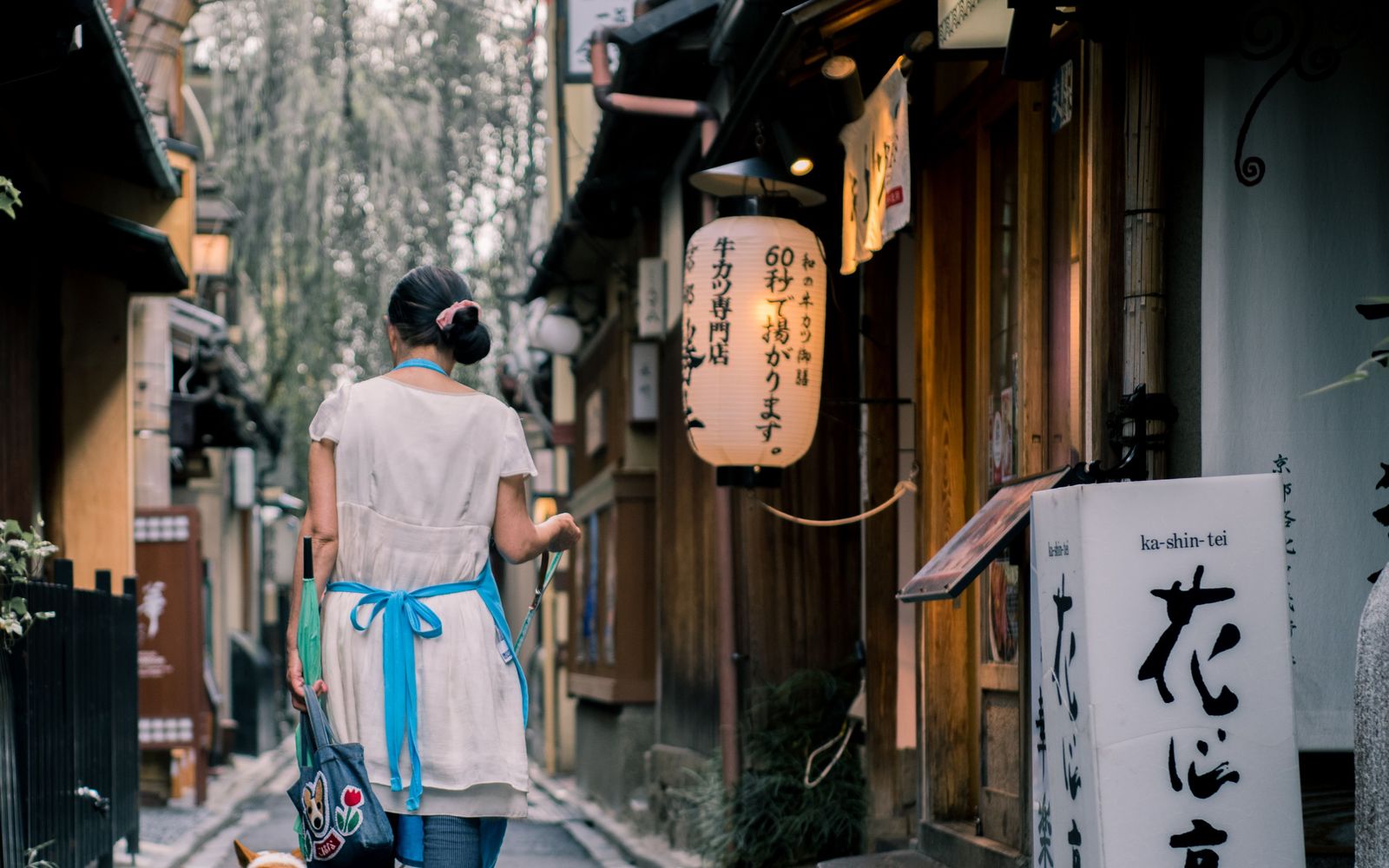
Photo: Pexels
None of these will get you in trouble. Staff at a good inn will absorb every one of them without a flicker. But they are the things that make a first stay feel awkward, and all of them are avoidable.
Arriving whenever you feel like it
Check-in is usually 15:00 to 18:00, and that window is real. The kitchen is cooking for the guests booked that night, futon are laid during dinner, and small inns are not staffed around the clock.
If your train is late, call, or ask station staff to call for you. Arriving unannounced at 21:00 is the one thing that genuinely causes problems.
The three shoe changes
Shoes come off at the entrance of the building, not at your room. You then wear the inn's slippers through the corridors, take the slippers off at the edge of the tatami in your room, and change into a different pair kept outside the toilet.
Walking onto tatami in slippers is the most common mistake visitors make. Walking out of the toilet still wearing the toilet slippers is the most common mistake Japanese guests make, and it is funnier.
Treating the room like a hotel room
The room is one space that changes through the evening. Do not move the low table yourself, do not lay out the futon yourself, and do not sit on the alcove step where the scroll and the flowers are.
Luggage goes on the wooden or vinyl strip by the door, not on the tatami. Wet things go on the balcony rail, not over the paper screens.
The staff will come into your room to lay the futon while you are at dinner. This is normal and expected. If you want the room to yourself, say so at check-in rather than putting the "do not disturb" sign out at 18:00 and leaving them stuck.
Being late for dinner, or skipping it
Dinner is served at a set time you choose at check-in, and the kaiseki courses are timed to that. Twenty minutes late means cold dishes and a kitchen rearranging itself around you.
The same goes for cancelling. The food was bought for your booking, so a dinner dropped on the day is usually charged. If you know you will not eat it, book a breakfast-only plan instead.
Allergies and dietary needs belong on the booking form. Telling the kitchen at the table means either an improvised dish or a course removed with nothing in its place.
Trying to tip
Tipping is not expected anywhere in Japan, and at an inn it can create genuine awkwardness. Service is included in the rate.
There is an old custom of giving the room attendant a small envelope at the start of a stay, but it belongs to a formal world most travellers are not in, and getting it slightly wrong is worse than not doing it. Say thank you and mean it instead.
Noise, photographs and other people
Walls are thin and often made of paper. Voices carry, and mornings start early.
No photographs in the bathing area, ever. It is the one rule with no flexibility, and phones are best left in the room entirely.
If an inn has a shared lounge or an irori hearth, it is a shared space in the full sense — one loud group can take an evening away from everyone else in the building.
Checking out
Check-out is early, often 10:00 or 11:00, and it is not usually negotiable. Breakfast is early for the same reason: the staff have a full turnover to do before the next guests arrive at three.
Leave the room tidy but do not strip the futon or fold everything away. Fold the yukata roughly and leave it on the futon.
Questions people actually ask
- Which way does the yukata wrap?
- Left side over right. The other way round is how the dead are dressed, and staff will quietly fix it for you.
- Can I keep my socks on in the bath area?
- No. Everything comes off in the changing room. Socks are for the corridors and the tatami.
- Am I supposed to eat everything?
- Trying everything is appreciated; finishing everything is not required. Say what you cannot eat in advance and there will be less on the table.
- Can I ask for a western bed?
- Some inns have Japanese-western rooms. If floor sleeping is difficult, filter for those when booking rather than asking on arrival.
- Are children welcome?
- At many inns, yes, at a reduced rate. Some quiet inns set a minimum age. Confirm before booking; this is one of the few things an inn will not improvise.
Know what to expect now?
Pick a region, and see what each inn includes before you book.